Review: October is My Favorite Color SVG for Embroidery
As a designer who spends half my life staring at digitized paths and the other half pulling thread through fabric, I have learned to be skeptical of trendy seasonal graphics. Most are too busy, too dense, or simply lack the structural integrity needed for a clean stitch-out. However, when I pulled up October is My Favorite Color SVG for a recent client project, my initial reaction was one of cautious optimism. This isn’t just a cute phrase; it is a design asset that balances typographic personality with practical application.
I am evaluating this file not as a casual browser, but as a professional looking for reliability in commercial embroidery projects. Whether you are an Etsy seller preparing for the fall rush or a hobbyist making personalized gifts, understanding how a vector file translates to thread is crucial. Here is my honest assessment of how this design performs in the real world.
First Impressions and Visual Mood
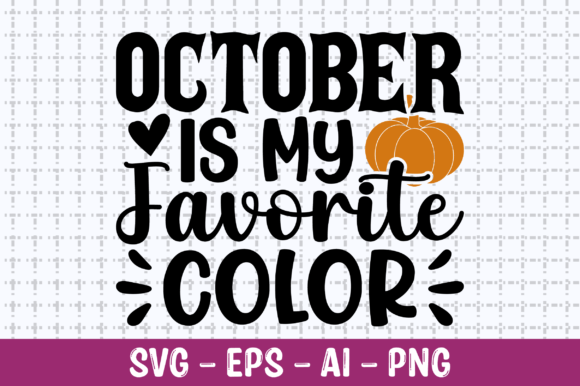
The immediate appeal of October is My Favorite Color SVG lies in its versatility. The typography suggests a cozy, autumnal vibe without relying on cliché pumpkin imagery. It feels modern yet nostalgic, which is exactly what buyers are looking for in handmade products right now. The layout is balanced, avoiding excessive negative space that can cause fabric puckering, while maintaining enough openness to let the texture of the material shine through.
From a Graphics perspective, the lines are clean. When I opened the included AI and EPS files to inspect the nodes, the curves were smooth. This is vital because jagged vectors often translate into jerky machine movements, resulting in uneven satin stitches or broken threads. The transparent PNG included in the download is also high-resolution, which is a bonus for creating printable mockups or social media previews before you even hoop your fabric.
Real-World Application: The Tote Bag Test
To test the design’s viability, I simulated a common scenario: a custom embroidered tote bag for a local boutique. Tote bags are notorious for being tricky due to their woven texture and tendency to shift. I resized the SVG to fit a 5x7 hoop, ensuring the text remained legible without becoming too small.
The result was promising. Because the design relies heavily on lettering rather than dense fill areas, it sits lightly on the fabric. For a tote bag design, this is ideal. Heavy fill stitches can make canvas bags stiff and uncomfortable to carry. By using a combination of running stitch for outlines and light satin stitch for thicker letters, the finished product remained soft and flexible. The customer reaction to such a piece is usually positive because it feels premium rather than mass-produced.
Apparel and Custom Gifts
Beyond bags, this design shines in custom apparel. I envision this working beautifully on sweatshirt embroidery, where the texture of the fleece can hide minor imperfections, or on baby onesies for a subtle, gender-neutral autumn look. When creating a personalized gift, the simplicity of the message allows for easy customization. You could add a name below the main phrase using a complementary font, turning a standard graphic into a unique heirloom.
For holiday embroidery projects, this file saves time. Instead of digitizing a complex scene, you have a ready-to-use asset that captures the season’s essence. It works well for kitchen towels, aprons, and even pillow covers. The key is matching the thread colors to the mood—think burnt orange, mustard yellow, or deep charcoal against cream or navy fabrics.
Technical Considerations for Stitchers
While the design is strong, there are areas where caution is necessary. As an experienced reviewer, I must point out that "SVG" does not mean "auto-digitized." You still need to apply proper embroidery logic.
- Stitch Density: If you are converting this SVG into a machine embroidery design using software, pay close attention to stitch density. Thick letters may require underlay stitches to prevent sinking into plush fabrics like towels or fleece.
- Fabric Texture: On textured fabrics, fine details can get lost. Test the design on scrap fabric first. If the letters are too thin, consider widening them slightly in your vector editor before importing them into your digitizing software.
- Hoop Size: Always confirm your hoop size. While the file is resizable, shrinking it too much for a small cap or baby item might make the text illegible. Conversely, blowing it up for a blanket might expose any slight irregularities in the curve smoothing.
- Stabilizer Choice: For stretchy fabrics like t-shirts, a cut-away stabilizer is non-negotiable to maintain shape. For woven fabrics like aprons, a tear-away may suffice, but always test first.
Commercial Viability and Branding
For Etsy sellers and small shop owners, this design offers significant value. It fits neatly into the Crafts category while appealing to a broad demographic. The neutral theme means it doesn’t alienate customers who don’t celebrate specific holidays but still love the autumn aesthetic. This broadens your market reach.
When selling finished products, presentation is everything. Use the included transparent PNG to create high-quality listings. Show the design on various backgrounds to help customers visualize it on their own items. Consistency in your brand’s visual language builds trust. If your shop specializes in cozy, handmade goods, October is My Favorite Color SVG aligns perfectly with that narrative.
However, always check the licensing terms provided with the download. While many creators allow commercial use for physical items, restrictions may apply to digital resale. Ensure you are compliant to protect your craft business reputation.
Final Verdict
In the crowded market of digital embroidery files, October is My Favorite Color SVG stands out for its cleanliness and adaptability. It is not just a graphic; it is a functional tool for creators. Whether you are making an embroidered patch for a jacket or a set of monogrammed tea towels, this design holds up under scrutiny.
My advice is simple: download the files, inspect the vectors, and run a test stitch on your most challenging fabric. Pay attention to how the thread interacts with the material. Adjust your tension and stabilizer accordingly. With proper technique, this design will elevate your handmade product lineup, offering customers a piece of art that feels both personal and professional. It is a solid addition to any designer’s library for the fall season.