Reviewing The Dream is Free the Hustle is Sold
As a designer who has spent countless hours staring at digitizing software and troubleshooting thread breaks, I approach every new machine embroidery design with a mix of curiosity and skepticism. We have all seen trendy phrases come and go, but some concepts stick because they resonate with the modern maker’s mindset. Recently, I downloaded The Dream is Free the Hustle is Sold to evaluate its potential for real-world application. This isn’t just about downloading a file; it is about understanding how a graphic translates into thread, fabric, and ultimately, a sellable product.
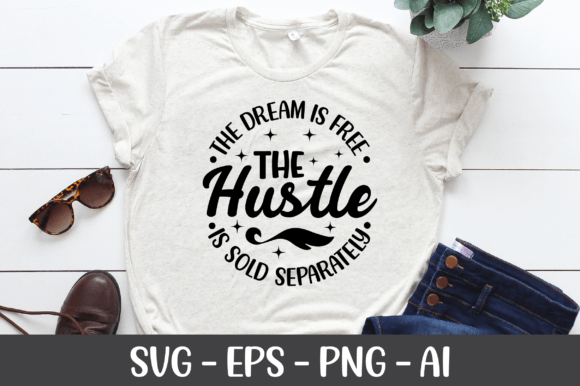
The phrase itself carries a weight that appeals directly to creative entrepreneurs, Etsy sellers, and anyone building a brand from the ground up. When I first opened the zip file containing the digital embroidery file, my immediate focus was on the layout and structure. In the world of Crafts and Graphics, typography is king. If the letters are too thin, they vanish into the fabric. If they are too dense, the material puckers. This design strikes a balance that suggests it was digitized with practical production in mind, not just for screen viewing.
First Impressions and Visual Personality
The mood of The Dream is Free the Hustle is Sold is bold, direct, and unapologetic. It does not rely on excessive flourishes or delicate filigree that might get lost in stitching. Instead, it leans on strong lines and clear spacing. For an embroidery designer, this is a relief. It means the design is likely robust enough to handle various fabric textures without losing legibility. The visual personality fits seamlessly into the current aesthetic of boutique branding, where minimalism meets motivational messaging.
I imagine this design working best when treated as a statement piece. It is not a background element; it is the focal point. Whether you are creating a custom apparel line or a series of personalized gifts, the clarity of the text ensures the message is read instantly. This is crucial for products displayed in online thumbnails, such as those used by an Etsy seller scrolling through search results.
Real-World Application: The Tote Bag Test
To truly test a design, you must visualize it on a physical object. I pictured this design stitched onto a heavy canvas tote bag design. Canvas is forgiving, but it requires a design that can hold its own against the weave. The bold nature of The Dream is Free the Hustle is Sold would stand out beautifully here. I would recommend using a high-contrast thread color, such as white or gold on black canvas, to maximize impact.
Beyond tote bags, consider sweatshirt embroidery. A crewneck sweatshirt provides a large, flat surface area ideal for this type of typographic work. The fill stitch areas in the letters would provide a solid, premium look that customers associate with higher-quality handmade products. However, one must be mindful of the stitch density. If the design is too dense, the sweatshirt fabric may pucker around the edges. Always check the digitizing settings before running a full production batch.
Versatility Across Product Lines
This design is not limited to apparel. It has strong potential in home decor and accessories. Imagine it as an embroidered patch sewn onto a denim jacket or a backpack. Patches allow for experimentation with different thread colors and stabilizers without committing to a permanent stitch on a garment. It could also work well on a kitchen towel or apron, appealing to the "hustle" culture of home-based business owners who cook, craft, and create simultaneously.
For those selling design assets or digital previews, this graphic offers excellent mockup potential. A clean, crisp image of this text on a neutral background can drive engagement on social media. It speaks directly to the target audience of small shop owners and creative entrepreneurs who value both ambition and execution.
Technical Considerations and Constraints
While the design is strong, it is not without its technical demands. Here are critical factors to consider before stitching:
- Hoop Size: Ensure your machine’s hoop size accommodates the full width of the text. Cramping the design into a smaller hoop than intended will distort the proportions and reduce readability.
- Fabric Texture: On textured fabrics like terry cloth or fleece, finer details may get lost. This design relies on bold shapes, which helps, but always test on scrap fabric first.
- Stabilizer Choice: Use a cut-away stabilizer for stretchy fabrics like t-shirts to prevent distortion over time. For woven fabrics like tote bags, a tear-away may suffice, but test for stability.
- Thread Colors: Contrast is key. Avoid low-contrast combinations like light gray on white. Stick to bold pairings to ensure the message pops.
Be cautious when applying this to curved surfaces like caps. The rigid nature of typographic designs can sometimes struggle with the curvature of a cap panel, leading to gaps or uneven stitching. If you attempt a cap embroidery project, consider breaking the design into smaller segments or using a specialized cap frame and stiff stabilizer.
Commercial Viability and Brand Trust
For commercial use, consistency is vital. The Dream is Free the Hustle is Sold offers a professional look that can enhance brand trust. Customers perceive clean, well-executed embroidery as a sign of quality. When they see a finished product with sharp edges and no loose threads, they are more likely to return for future purchases.
However, remember that this is a digital download. No physical items are shipped. You are responsible for producing the final item. This means your skill level, machine maintenance, and material choices directly impact the final result. Always verify the license terms included in the zip file. Some designers allow unlimited commercial use, while others may have restrictions on the number of physical items sold. Confirming these details protects your business and respects the creator’s work.
Final Designer Notes
Before launching any product featuring this design, run a comprehensive test. Stitch it out on the exact fabric you plan to sell. Check for thread breaks, tension issues, and overall appearance. Compare light and dark fabric backgrounds to see which yields the best visual appeal. If possible, create a printable mockup to show customers how the design looks on different products.
In conclusion, The Dream is Free the Hustle is Sold is a versatile and impactful addition to any embroidery library. It bridges the gap between motivational art and functional design. With careful attention to technical details and a clear understanding of your target market, this design can become a staple in your craft business inventory. It is not just a phrase; it is a tool for building a brand that values both vision and hard work.